
Hand drafting vs digital rendering: what’s best for your project?
Tradition vs technology… Analog vs digital… While it may seem like a simple question - even an obsolete one as the use of AI continues to rise - there’s actually a lot more too it.
When working on my formal education in Landscape Architecture, I benefited greatly from an informal apprenticeship with a local designer who worked solely on paper. Big tactile rolls of paper that she transformed into beautiful landscape plans in a surprisingly short amount of time. Though really, it wasn’t that surprising, as she had years of experience following her formal education as a Landscape Architect in a time when digital rendering was not the industry standard. Hand drafted plans allowed her to create a business based largely on residential clients. Without all the overhead and ongoing upgrading required to keep up with digital rendering, her plans could be placed at a price point more available to your average residential customer.
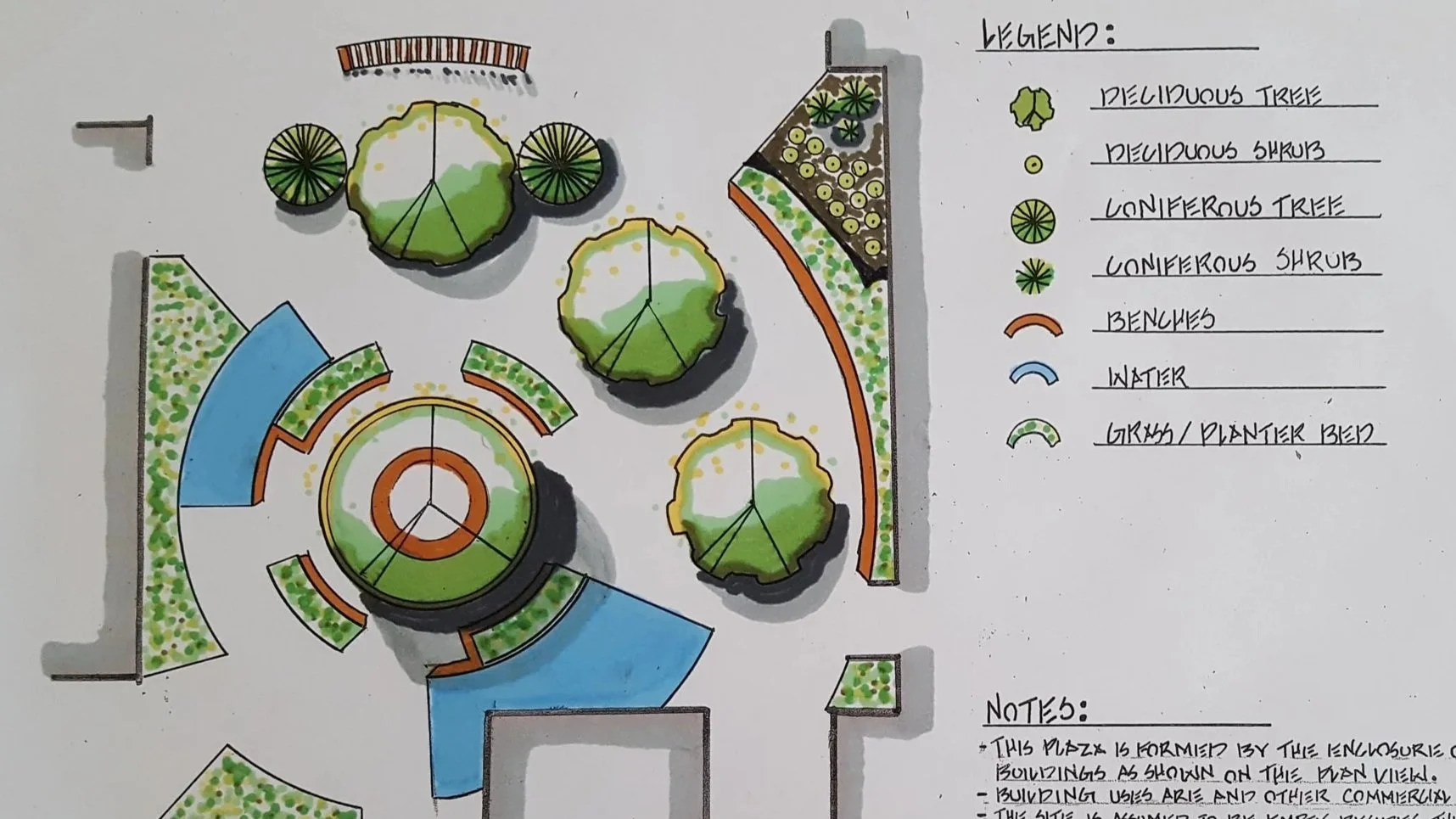
Hand drafted plans come in many forms - from relatively simple symbols & colouring, to archival quality detail & watercolour style colouring.
On top of learning many invaluable lessons in design principles (she was particularly gifted at finding that perfect curvilinear bed edge…), I was often given the task of digitizing plans when requested by a client. But why would a client request a digital version of a perfectly good - artistly beautiful even - plan?
Digital renderings, and especially 3D versions allow you to essentially walk through a space, to move from day to night, season to season, and swap colours or features without the use of vellum overlays or that ubiquitous white rubber eraser. Well practiced photoshop skills (now often aided by AI features) can even remove that uncanny valley feeling of a digital representation of objects by seamlessly subbing in real images. All these aspects and a few more are especially important on large &/or complex projects. Both at a designer's ability to efficiently share their vision for a project, and for coordination between teams and trades. But, like most things in life, these added benefits can come at an added cost.
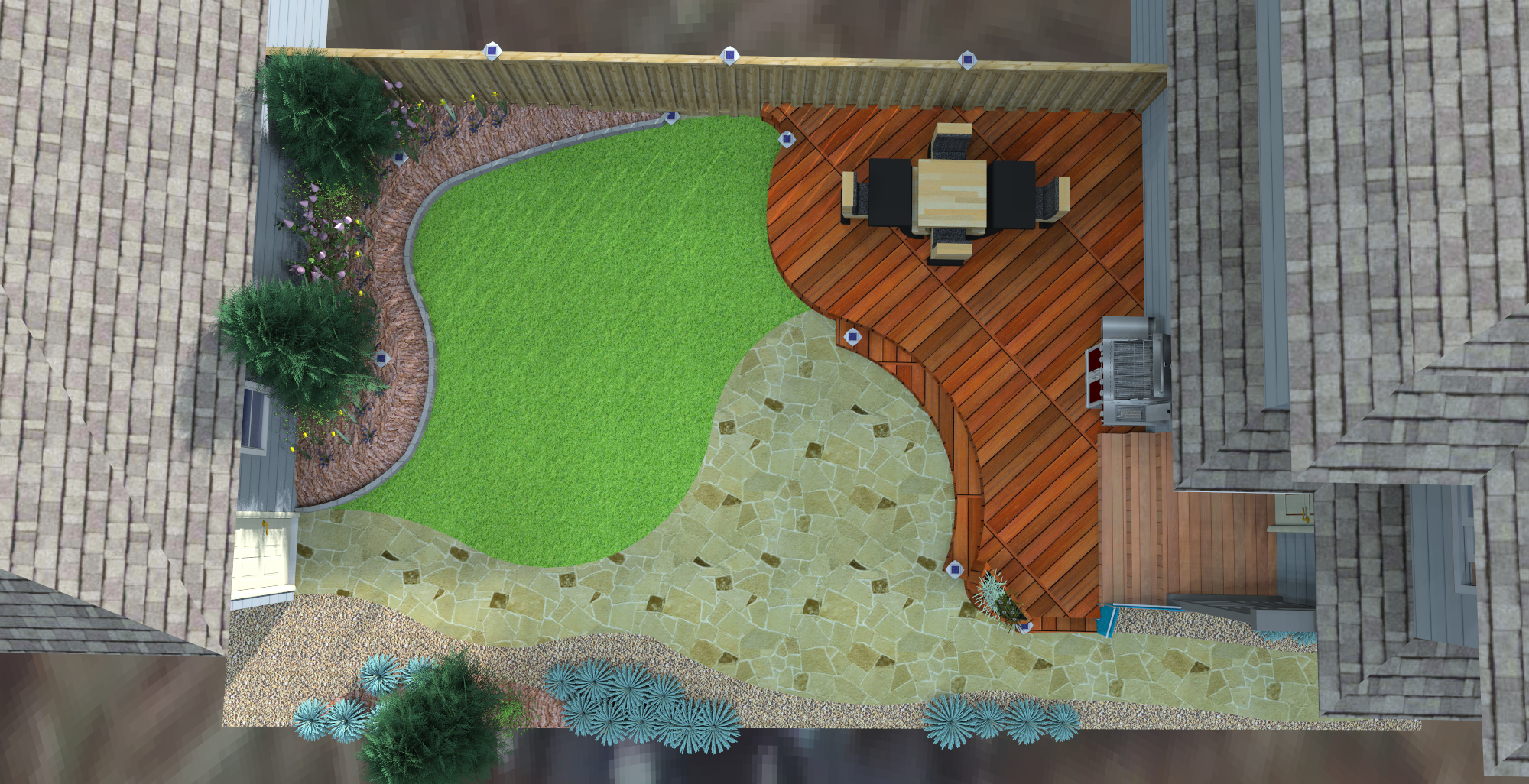
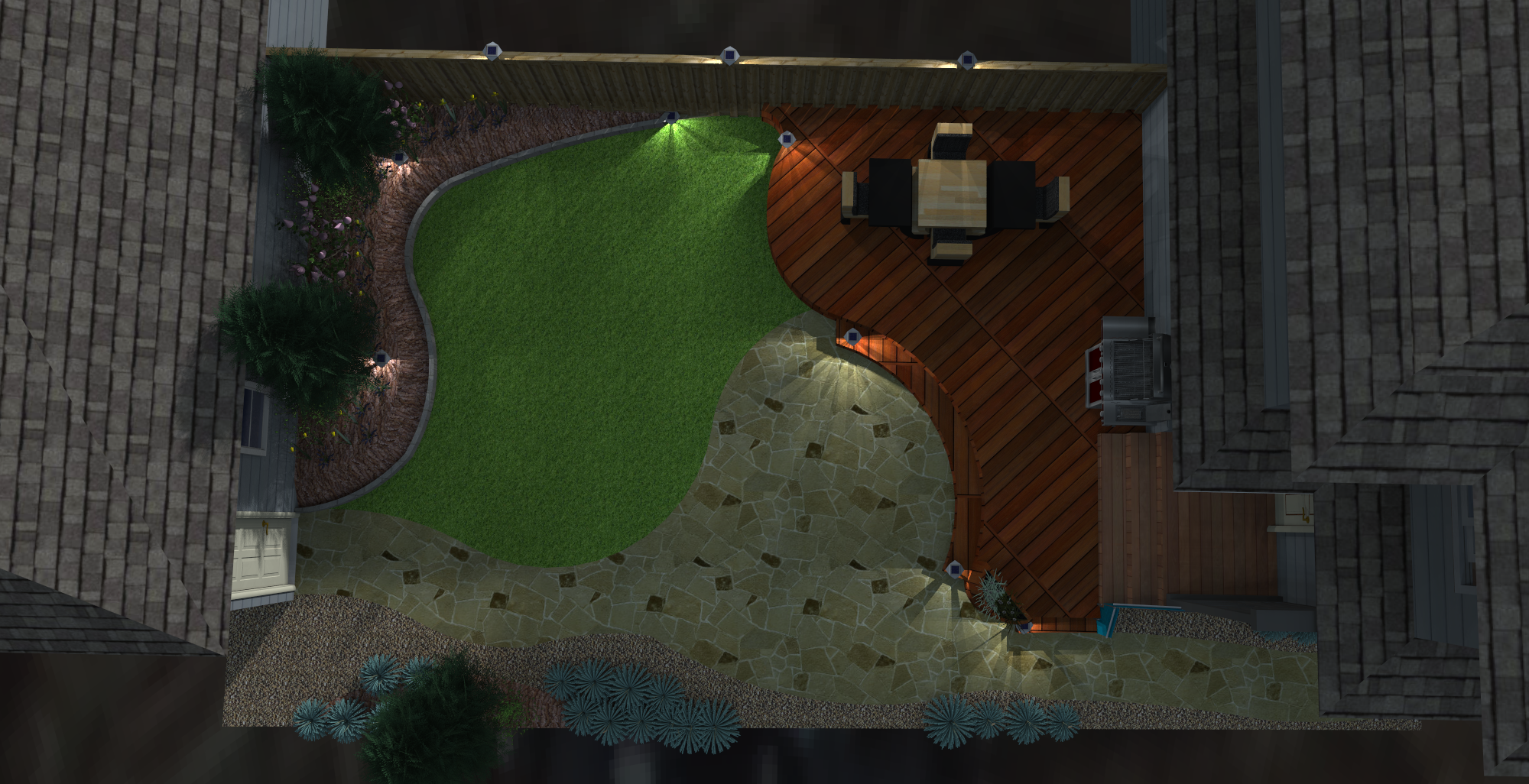
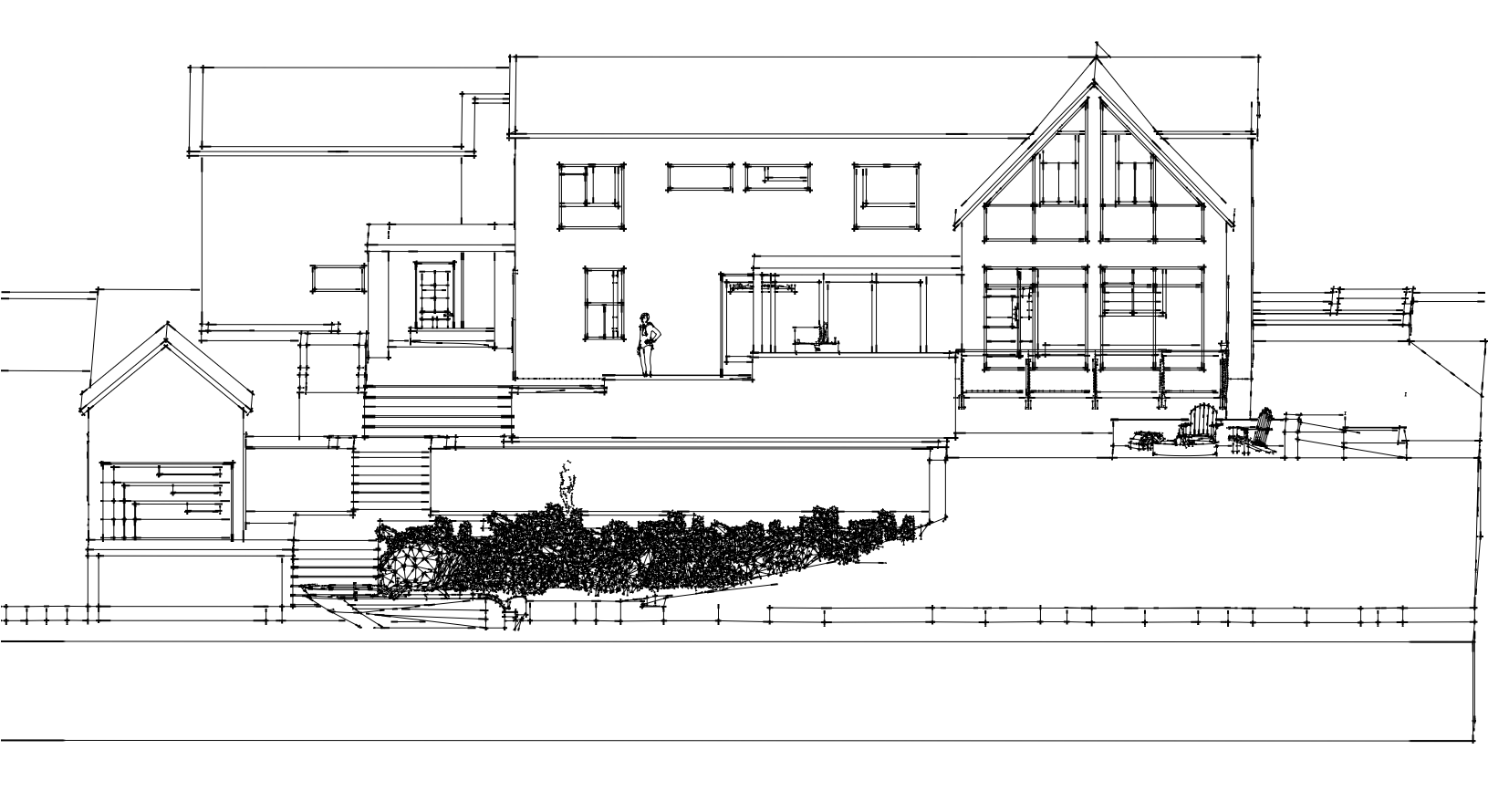
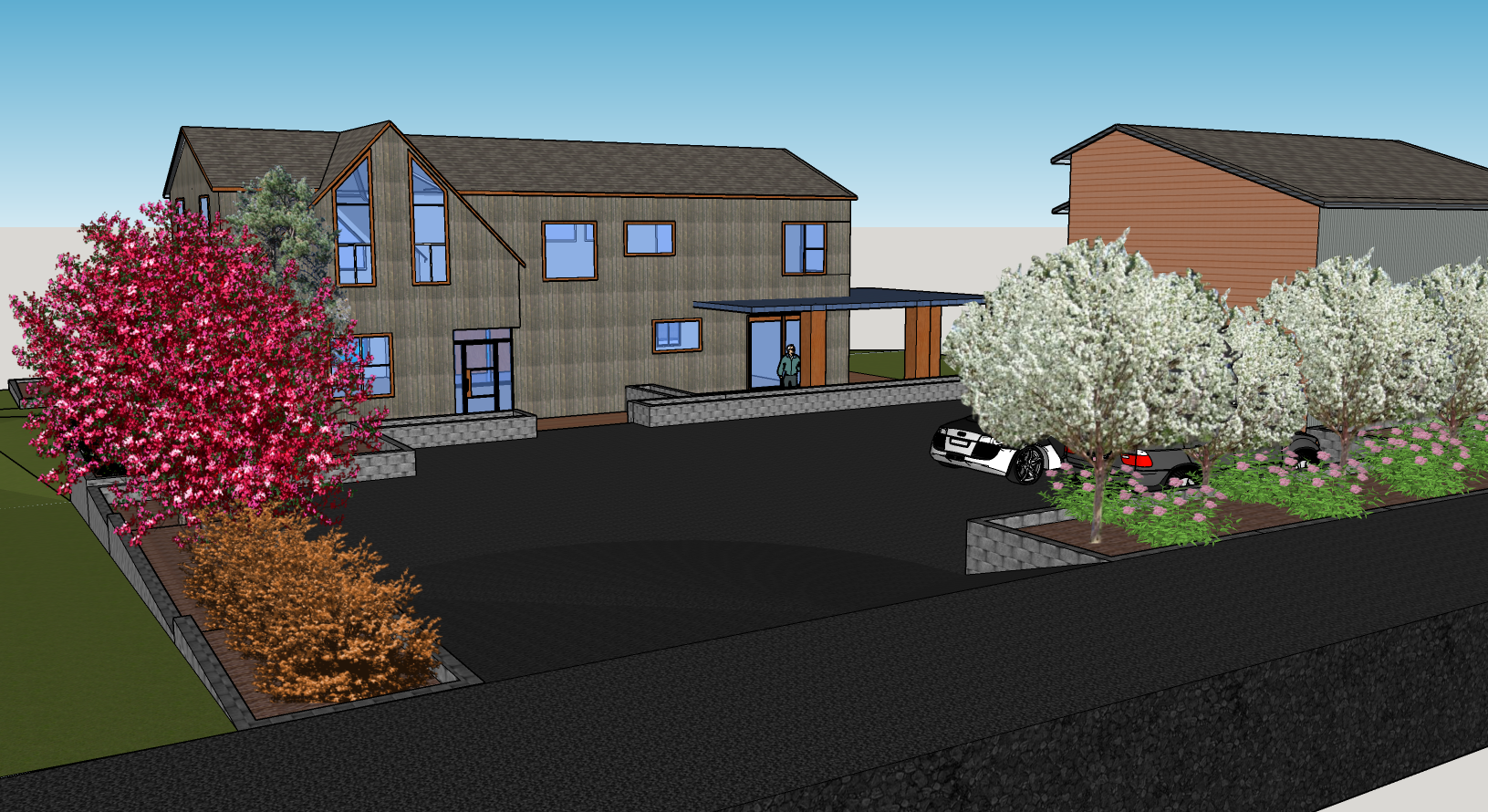
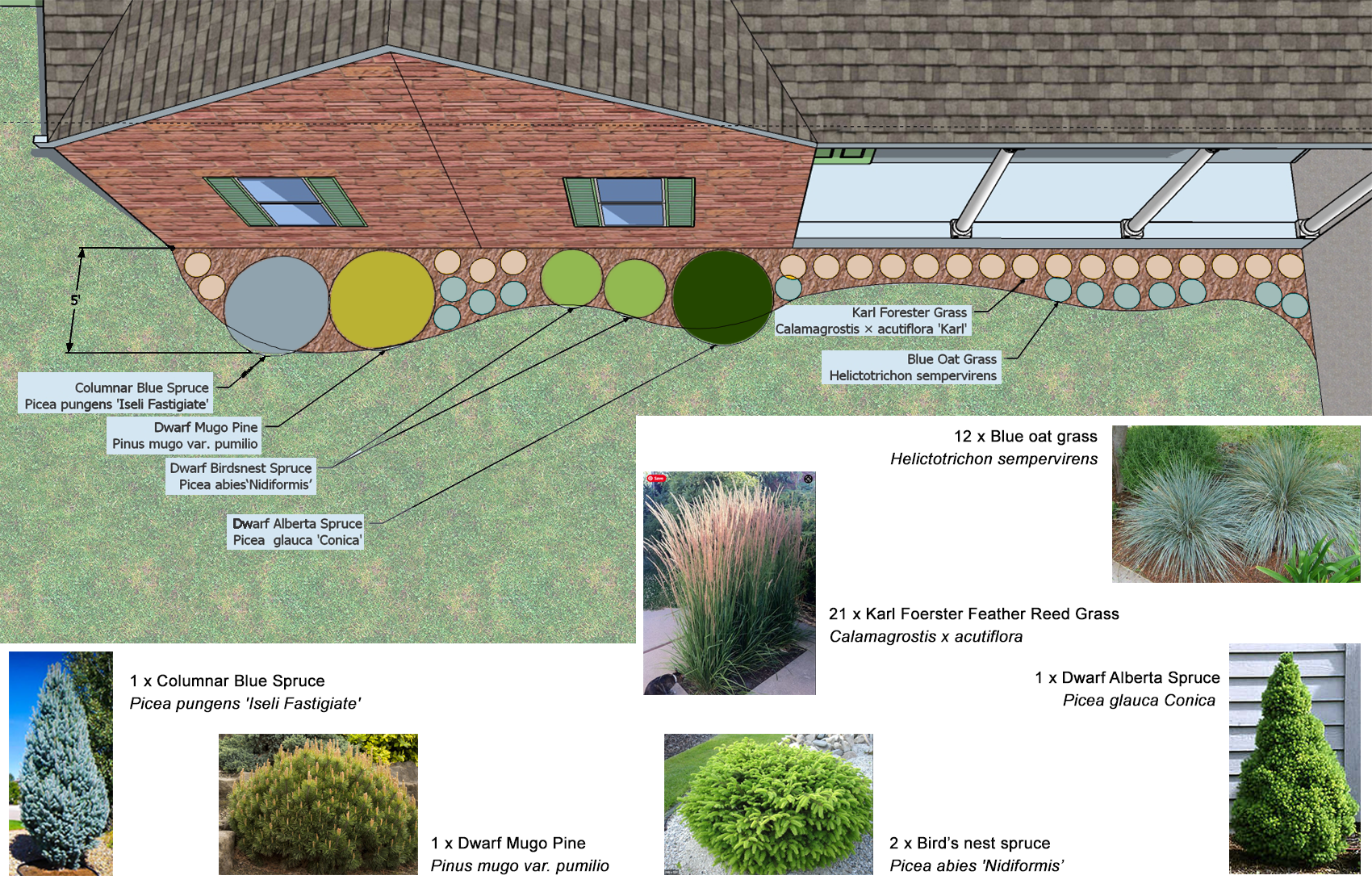
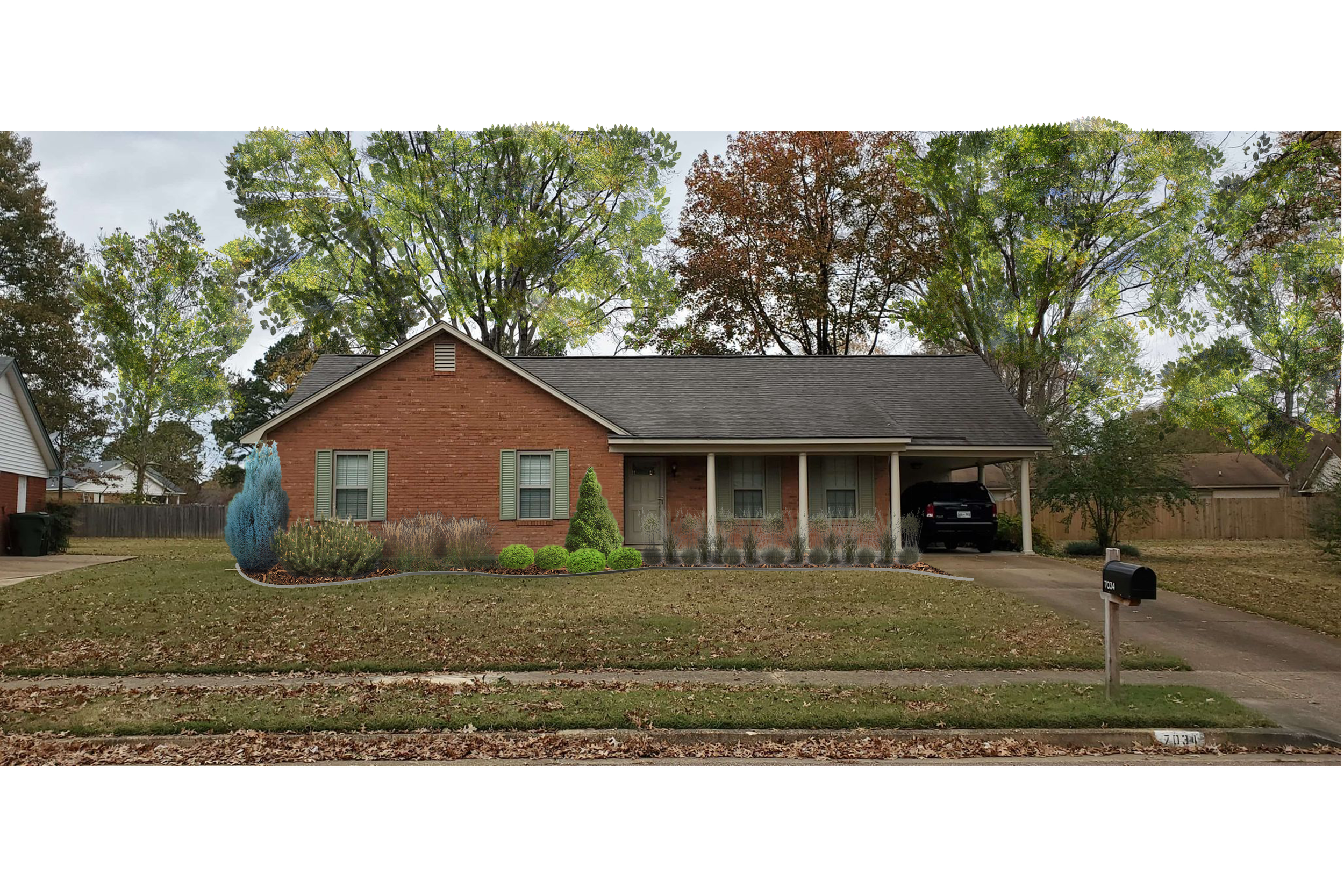
So what do you need for your project? It comes down to more than just personal preference - you may prefer the look of a hand drafted plan, but if you lack the spatial awareness to transform that flat piece of paper into an accurate 3D image in your head, you are setting yourself up for disappointment at the end of your project when it looks nothing like you imagined. On the other hand, if your project is relatively small and uncomplicated, do you really need to walk through it in 3D digital clarity? I mean, sure it’s pretty cool to walk your digital self through your yard and hold the command for day, night, summer, winter at your finger tips, but maybe your budget is better invested elsewhere.
Now, is this even a valid question when hand drafting often isn’t even offered? It’s true that finding a Landscape Designer or Landscape Architects who offers hand drafting is becoming harder. However, the positives and negatives outlined above can also be applied between digital products - not every digital rendering needs to be a full package 3D product with photoshop inserts. Maybe you need that, but maybe all you need is a top view digitally “hand drafted” plan. This is your project, your design, your budget! Take the time to ask questions - not just from a budget perspective, but from your particular needs - so that the design products you end up with are the ones that you need to effectively move your project to a successful conclusion.